New Island Play Plan Aims to Expand Safe and Inclusive Spaces for Jersey Children
- Jan 12
- 2 min read
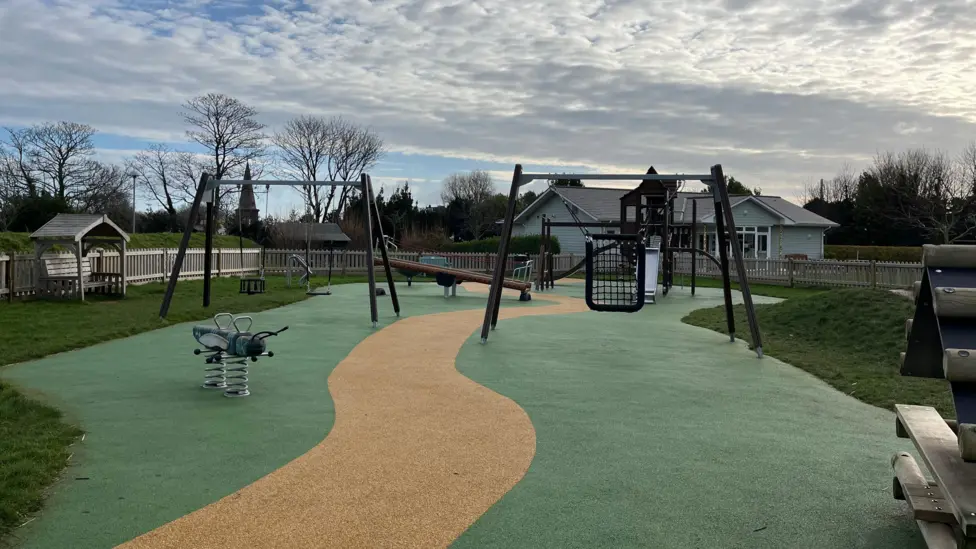
Parents, grandparents and politicians have welcomed a new government play plan designed to increase the number of safe, accessible places for children to play across Jersey, both outdoors and indoors.
The initiative focuses on expanding opportunities for ball games and free play in open green spaces, while also improving access to indoor facilities. A key part of the plan is a commitment to listen more closely to children and young people about where and how they want to play.
Proposals include quieter play sessions for children with additional needs, faster repairs or replacement of damaged playground equipment, and improved maintenance of existing facilities. Ministers have said the aim is for children to be able to play freely and safely, regardless of where they live.
A three-year action plan begins this month, with the goal of improving play provision in every parish.
Families have broadly welcomed the proposals, calling for more varied, accessible and weather-proof play spaces, particularly indoor options that can be used year-round.
While play has long formed part of Jersey’s childcare regulations in settings such as nurseries and holiday clubs, the new plan broadens the focus beyond formal childcare environments. The approach aims to encourage play in public spaces and to challenge adult attitudes towards young people’s use of shared areas.
Officials have said this includes rethinking perceptions around noise, movement and socialising, recognising play as an essential part of children’s development and social interaction.
St Martin has been highlighted as an example of positive play provision, with an inclusive playground developed using children’s ideas and supported by community funding. Similar approaches are being considered for wider adoption across the island.
The play plan follows concerns raised by children and young people about limited access to safe and welcoming places to play. Research found that safety concerns, access issues and negative attitudes were restricting their opportunities for play.
The government has said the new strategy is intended to address these barriers and to recognise play as a vital part of childhood development and preparation for adult life.